
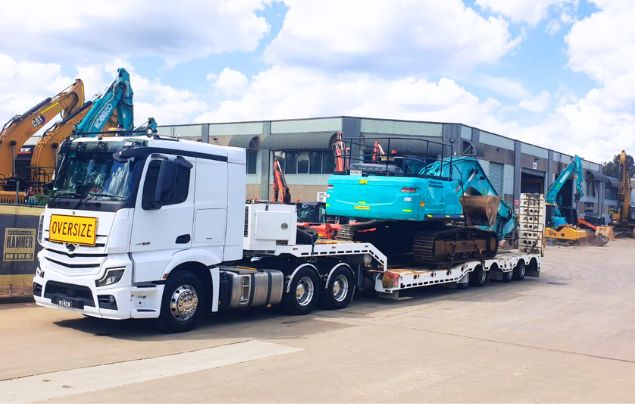
There’s a lot riding on getting the right machine to site on time. A delayed excavator can push a whole programme back, and hiring something that’s too small for the job, or worse, shows up without the right safety fitout, creates headaches nobody needs.
We’ve put this together to give contractors a clear picture of what’s available through HammerHire and how to match the right machine to your project. No fluff, just the practical stuff.
Why Contractors Choose Dry Hire
Dry hire means you hire the machine, bring your own operator, and run the work yourself. You’re not paying for someone else’s operator on top, and you’re not locked into another crew’s schedule. For most commercial and civil contractors who already have licensed operators on the books, it’s the more cost-effective and flexible option.
The flip side is that the responsibility for safe operation sits with your business. That’s not a reason to avoid dry hire, it’s just worth being across what that means before you mobilise. More on that below.
The Equipment Range
Excavators — 1.7T all the way to 74T
This is the heart of what HammerHire does. The excavator fleet spans twelve size classes, which means there’s almost always a machine that genuinely fits the job rather than one you’re making work. You can see the full lineup at hammerhire.com.au/equipment-hire, but here’s a rough guide to where each class earns its keep:
- 1.7T — Narrow enough to get through a standard gate. The right call for tight residential access, indoor work, or anywhere a bigger machine physically won’t fit
- 3.5T to 8T — Drainage, service trenching, and general light earthworks on suburban and residential sites
- 14T to 25T — The mid-range workhorse. Handles the bulk of commercial construction, general earthmoving, and medium civil scopes
- 30T to 45T — When you need more reach and breakout force — heavier demolition, bulk earthworks, and larger civil projects
- 50T to 74T — Primary excavation on major infrastructure, large-scale earthworks, or anything that needs serious grunt
Brands in the fleet include CAT, Kobelco, Kato, and Kubota. The Kobelco range from 13T to 35T is available in both zero and conventional tail swing, worth knowing when you’re working tight against a boundary or in a busy compound. All machines are low-hour and go through an in-house service check before every hire.
Site Dumpers
Moving material around a site sounds simple until you’re on soft ground with limited turning room. The site dumper range covers a 6T, a 10T, and the 9.5T PAUS swivel-skip — that last one being particularly handy when you need to drop material in a specific spot without repositioning the whole machine.
Skid Steers and Track Loaders
Kubota track loaders and wheeled skid steers are available through the skidsteer hire page. Rubber tracks keep things tidy on finished or soft surfaces, and the breakout force on the Kubota loaders is strong enough to handle genuinely tough conditions.
Rollers
Two options on the roller hire page: a 12T smooth drum for granular material and a 12T pad foot for cohesive soils. Getting compaction right matters, especially when pavement or structures are going down on top of it.
Site-Ready Means Actually Ready
One thing that’s worth asking any hire company before you commit: is the machine genuinely site-ready, or just mechanically running? There’s a difference. Every HammerHire machine comes fitted with:
- E-Stops installed and operational
- Battery isolators
- Reverse cameras for operator visibility
- Risk assessments specific to that machine class
This matters because SafeWork NSW takes a zero-tolerance approach to non-compliance around moving plants on construction sites. Missing fitouts or incomplete documentation can hold up a project start or put your business in a difficult position. It’s one of those things that’s much easier to get right before the machine arrives than after.
A Note on Operator Competency
When you take equipment on dry hire, the PCBU, that’s your business — is responsible for ensuring whoever operates the machine is competent to do so. Most earthmoving machinery doesn’t require a formal high-risk work licence for standard use, but operators need to demonstrate competency. Safe Work Australia’s plant guidance and the Model Code of Practice for Excavation Work are the two reference points. If you’re not sure where your team sits on this, it’s worth a look before you mobilise rather than after.
Support When You Need It
All servicing and maintenance is handled in-house, not farmed out to a third party. That means when something needs attention during a job, the people you’re talking to actually know the machines. The team is available 24/7, which matters when your site runs early starts, late finishes, or weekend shifts.
Based in Ingleburn, Servicing NSW
HammerHire operates out of Ingleburn in south-west Sydney, well placed for metro deliveries and regional NSW. Equipment is also available for projects in Queensland and Victoria.
Ready When You Are
If you’ve got an upcoming project and want to talk through the right machine for the scope, visit hammerhire.com.au/equipment-hire or call 1800 HAMMER. The team can confirm availability, help you match the machine to the job, and sort delivery without a lot of back-and-forth.
Stay Updated with Hammer Hire
Sign up for our newsletter to get the latest articles, equipment tips, and exclusive offers straight to your inbox.

SUBSCRIBE NOW!
Fill in your details to subscribe.

